Ybor City, Tampa: A Historic Hub of Culture, Cuisine, and Cigars
By Dan Donovan
Rolling Time: Inside Tampa’s JC Newman Cigar Company, America’s Last Great Handmade Cigar Factory
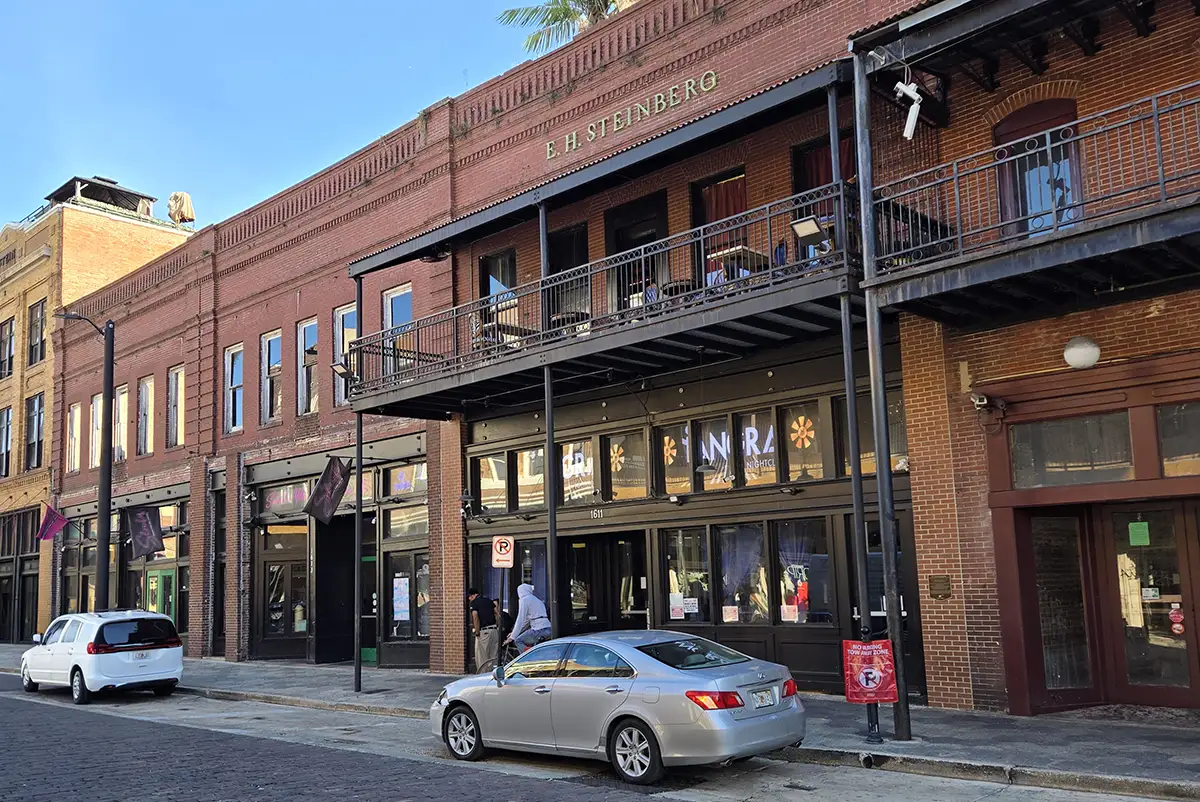
Ybor City is one of Florida’s most distinctive neighbourhoods, a place where history isn’t simply preserved—it’s lived. Just northeast of downtown Tampa, this former cigar‑making capital blends Cuban, Spanish, and Italian influences into a vibrant cultural district that feels unlike anywhere else in the state. Brick streets, wrought‑iron balconies, and the aroma of roasted coffee and hand‑rolled cigars create an atmosphere that is both nostalgic and unmistakably alive. For travellers seeking an authentic Florida experience rooted in heritage, craftsmanship, and cuisine, Ybor City remains one of Tampa’s most compelling destinations.
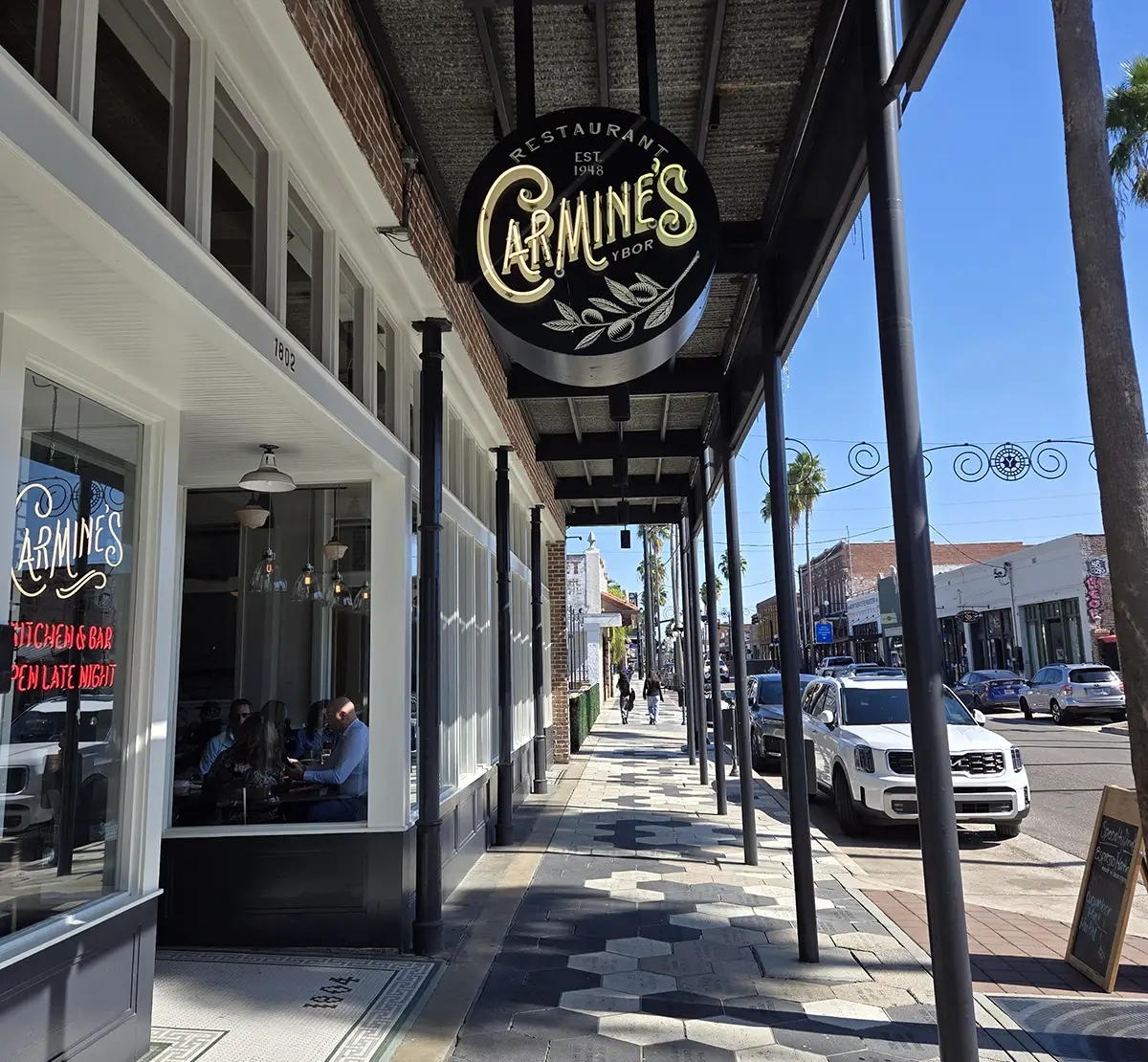
ABOVE: A stop at the family-owned Carmine’s on 7th Avenue in Ybor City is a must to savour an authentic Cuban sandwich.
At the centre of the neighbourhood’s revival is Hotel Haya, a boutique property on historic 7th Avenue that captures the spirit of Ybor’s past while offering the comforts of modern Tampa. The hotel incorporates two restored historic buildings—the former Las Novedades restaurant and the century‑old Warren Building—blending them seamlessly with contemporary architecture. The result is a space that feels airy, warm, and deeply connected to the neighbourhood’s cultural roots. Soft colours, mid‑century Cuban influences, and natural light define the interiors, creating an inviting atmosphere that encourages guests to slow down and take in their surroundings.
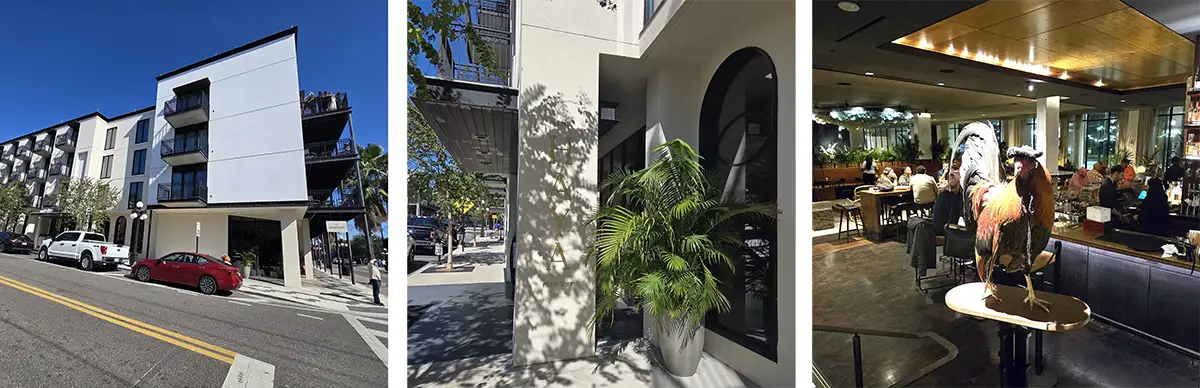
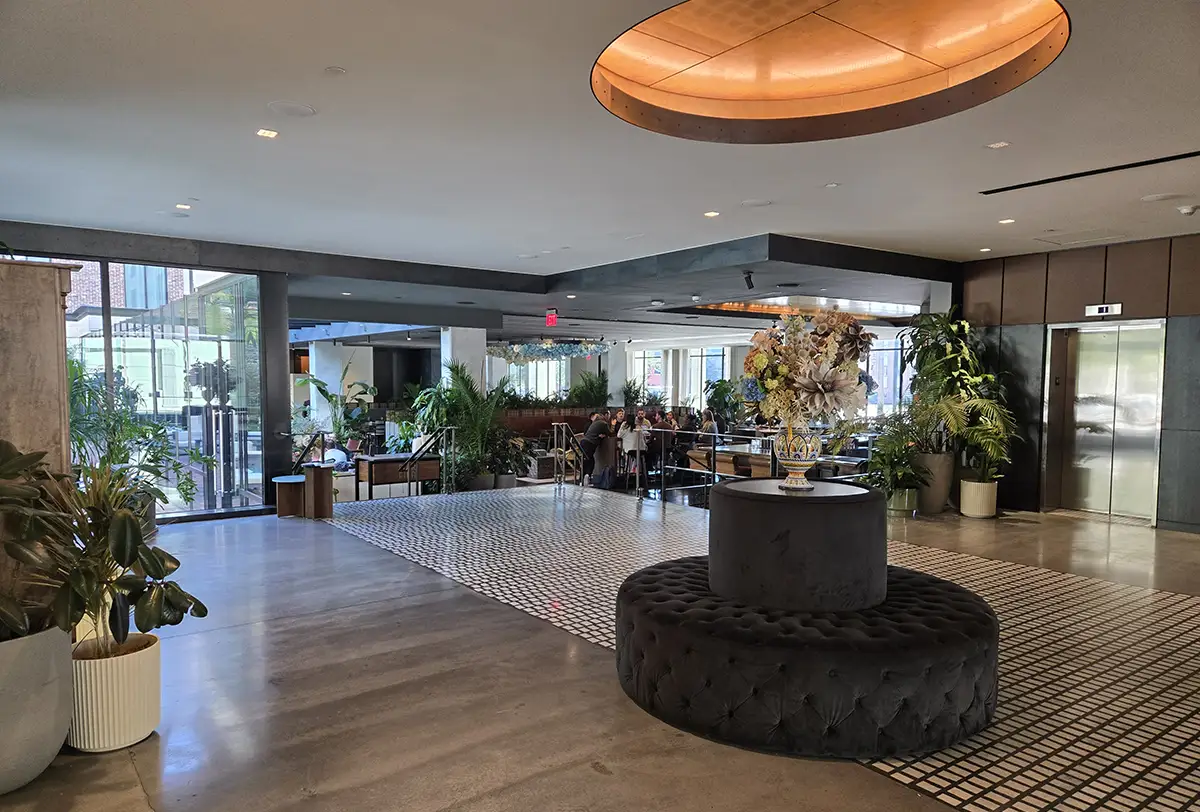
ABOVE: Spanning a full city block, Hotel Haya is a boutique property that honours Ybor City’s rich history, taking its name from one of the district’s founding fathers, Ignacio Haya.
Guest rooms at Hotel Haya are bright and modern, many with balconies overlooking the streetcar line or the hotel’s lush courtyard pool. The property offers a relaxed outdoor pool area, a well‑equipped fitness centre, and comfortable common spaces ideal for reading, working, or enjoying a drink. Its signature restaurant, Flor Fina, draws inspiration from Latin America, the Mediterranean, and coastal Florida, serving dishes that echo the flavours of Ybor’s immigrant communities.
The bar, with its polished wood and golden light, feels like a contemporary interpretation of the old social clubs that once defined the neighbourhood. Hotel Haya is more than a place to stay—it is a gateway into the culture and rhythm of Ybor City.
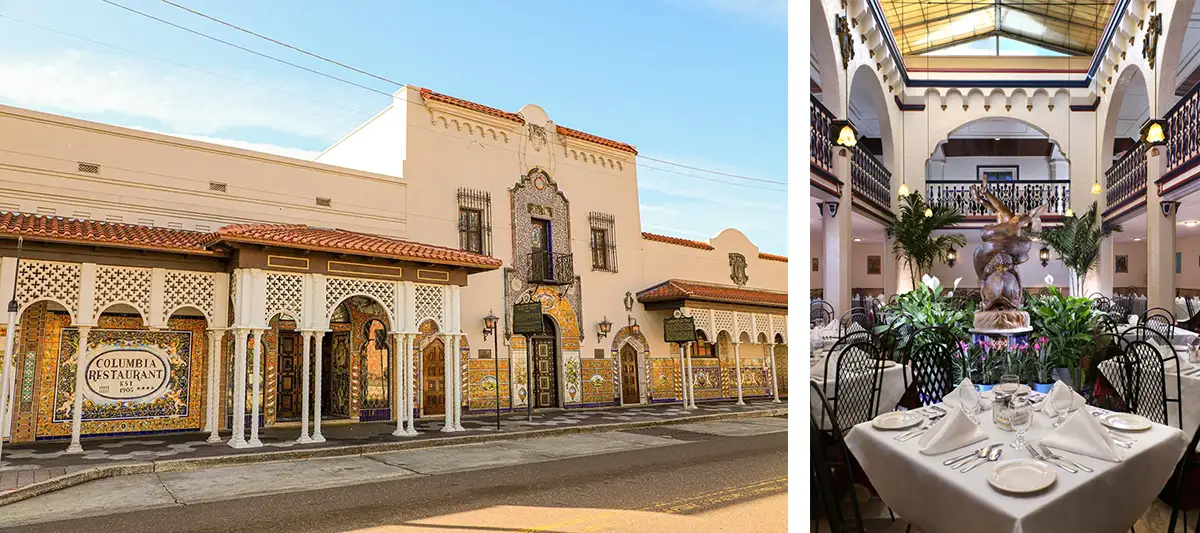
ABOVE: The Columbia Restaurant is a Ybor City institution. PHOTOS: Courtesy Columbia Restaurant
A short walk down 7th Avenue brings visitors to one of Florida’s most iconic dining institutions: the Columbia Restaurant. Founded in 1905 by Cuban immigrant Casimiro Hernandez Sr., the Columbia is the oldest restaurant in Florida and the largest Spanish restaurant in the world. Its sprawling interior is a labyrinth of hand‑painted tiles, ornate fountains, wrought‑iron balconies, and historic photographs that tell the story of Ybor’s early days. Dining here feels like stepping into a living museum, where each room reflects a different chapter in the restaurant’s evolution.
The Columbia is famous for its 1905 Salad, tossed tableside with garlic dressing, Swiss cheese, ham, and olives, a dish that has become synonymous with Tampa’s culinary identity. Its paella, ropa vieja, black bean soup, and original Tampa Cuban sandwich continue to draw locals and visitors alike. On select evenings, flamenco performances fill the restaurant with music and movement, adding to its reputation as one of the most memorable dining experiences in the state. More than a restaurant, the Columbia is a cultural landmark that has remained family‑owned for more than a century, preserving the flavours and traditions that shaped Ybor City.
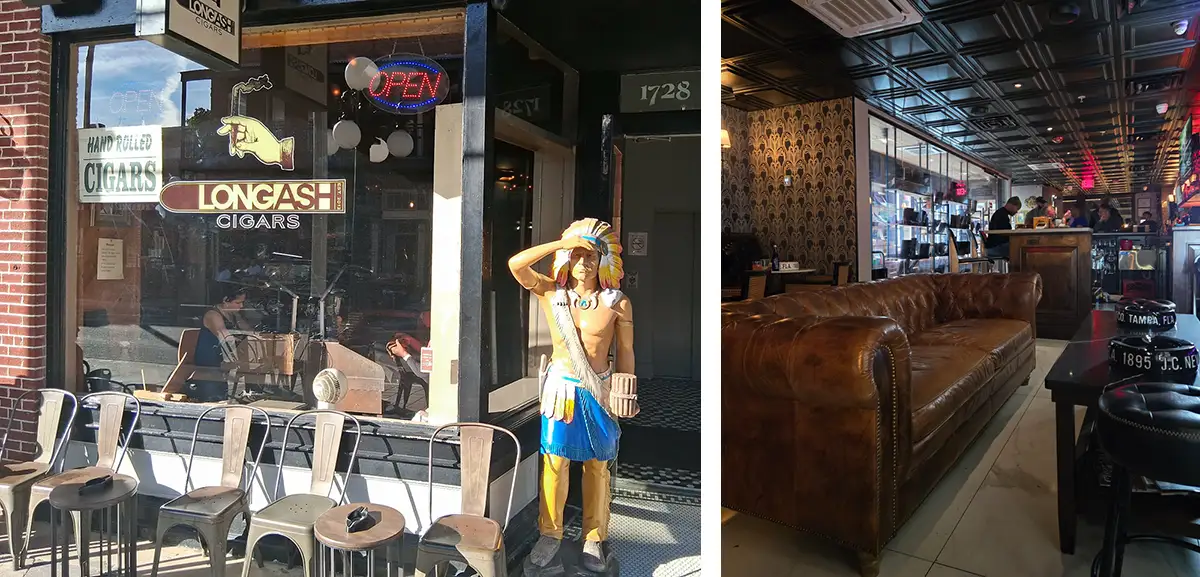
ABOVE: One of Ybor City’s many cigar shops invites passersby to stop and watch skilled staff roll cigars by hand. Down the street, the Sterling Cigar Lounge—complete with front and back balconies—is an ideal spot to sit back and enjoy one.
Exploring Ybor City on foot reveals a neighbourhood that has undergone thoughtful revitalization while maintaining its historic character. Restored brick buildings now house a mix of cafés, bakeries, vintage shops, and cigar lounges that honour the district’s roots. King Corona Cigars, one of the most beloved spots on 7th Avenue, blends café culture with cigar tradition. Locals gather on its patio for café con leche and hand‑rolled cigars, creating a scene that feels quintessentially Ybor. Other popular lounges include Sterling Cigar Lounge and Bar, which has a wonderful second-floor terrace that serves jazzy drinks and cool jazz with a fine selection of the best cigars to be found in Tampa, or Tabanero and La Faraona, who offer visitors the chance to watch skilled rollers at work and learn about the craft that built the neighbourhood’s identity.
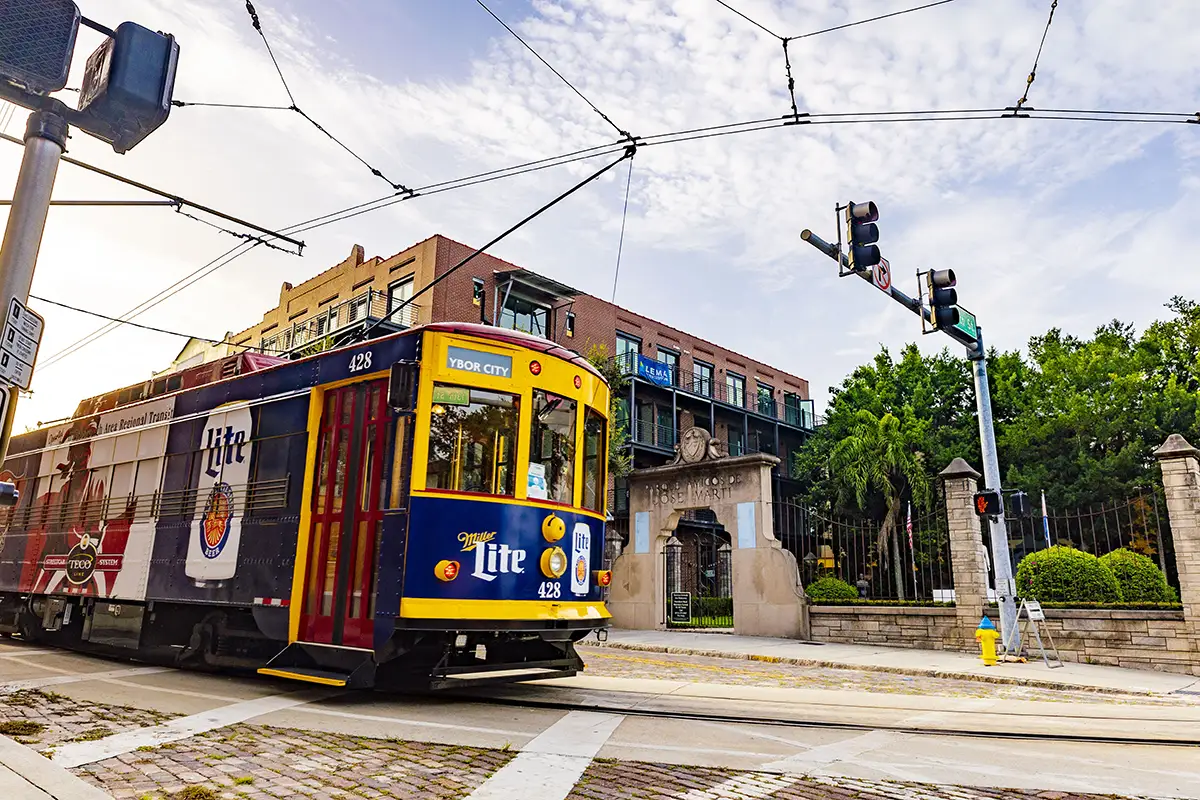
ABOVE: The Teco streetcar connects Ybor with downtown Tampa and runs every 15 minutes. Photo: Keir Magoulas for Visit Tampa Bay
The free TECO Line Streetcar adds another layer of charm to the experience. Running every fifteen minutes, it connects Ybor City to downtown Tampa, the Channel District, and the waterfront. Riding the streetcar is both practical and atmospheric, echoing the routes that once carried cigar workers to the factories that powered Ybor’s economy.
Among those factories, none is more significant—or more alive—than the J.C. Newman Cigar Company. Founded in 1895 by Hungarian immigrant Julius Caesar Newman, the company is now the oldest family‑owned premium cigar maker in the United States. Its iconic factory, El Reloj, has stood in Ybor City since 1910, a towering brick landmark with a clock tower that has become one of the neighbourhood’s defining symbols.
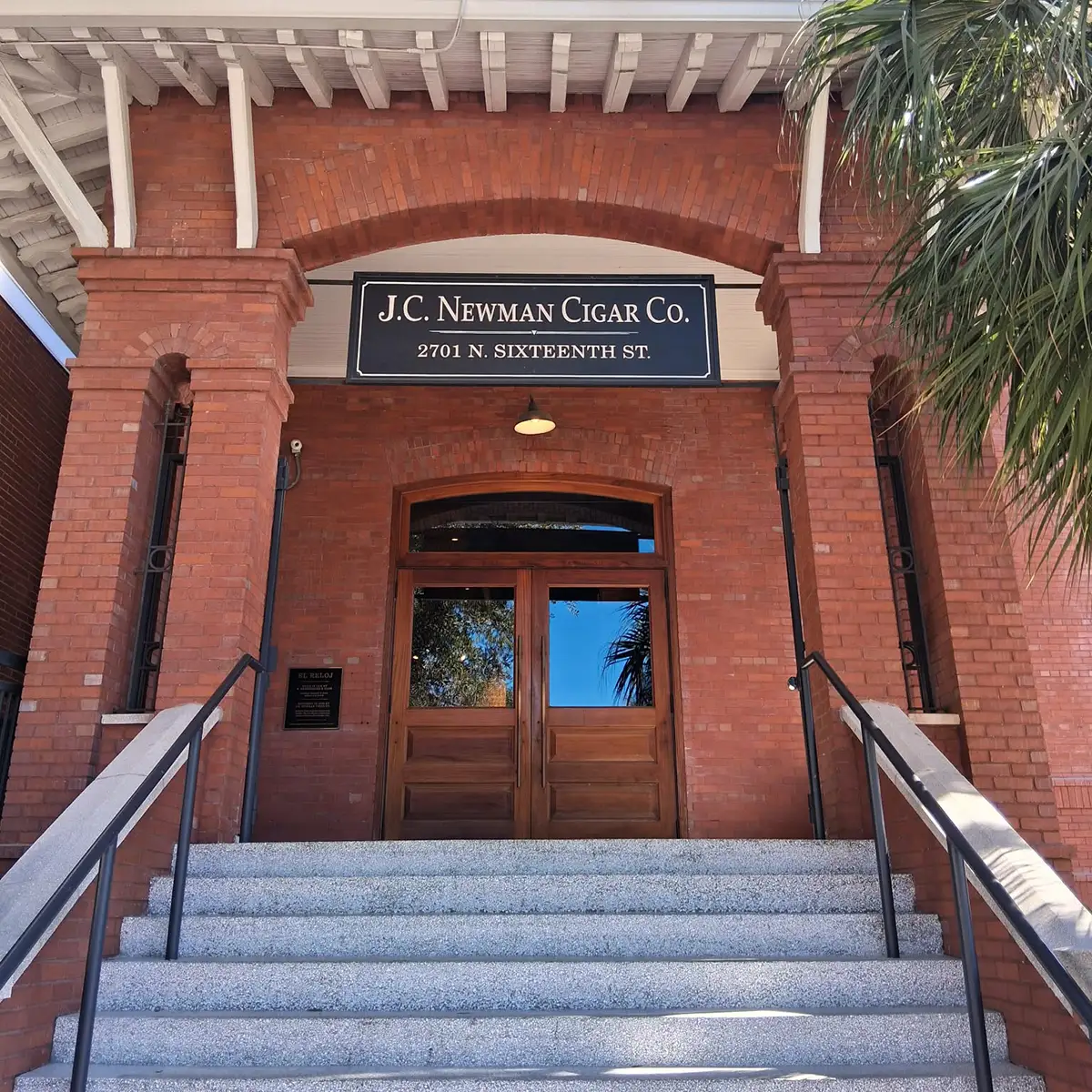
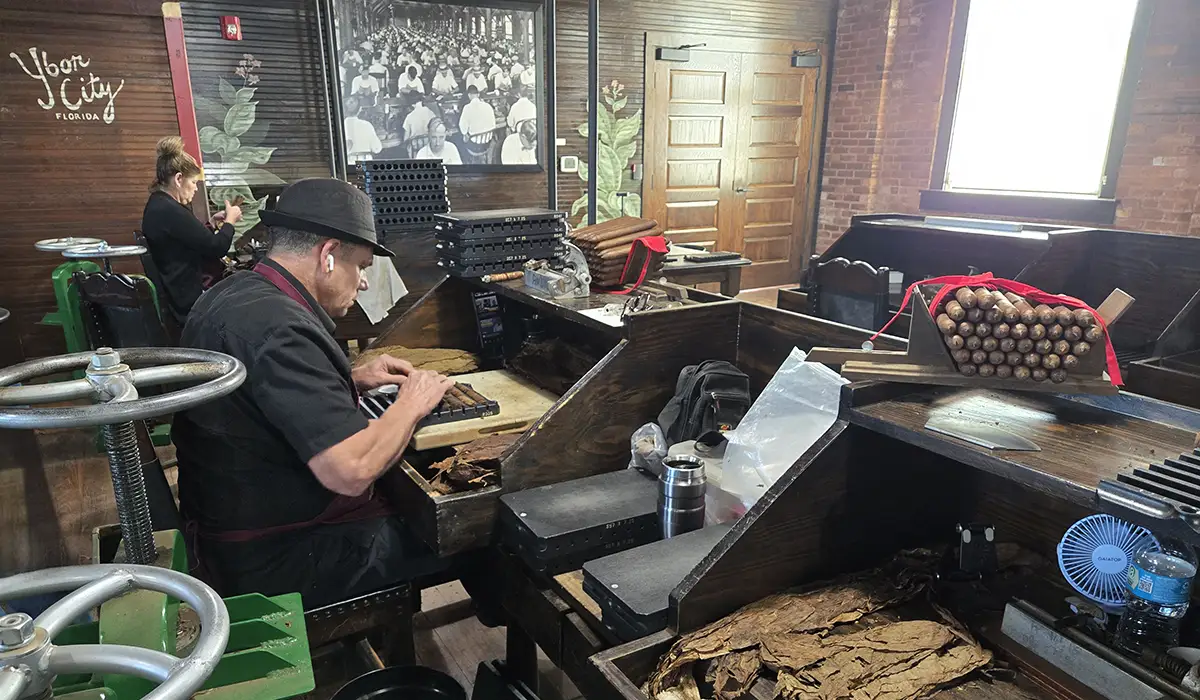
Inside El Reloj, history and craftsmanship coexist in remarkable harmony. On the ground floor, century‑old cigar machines imported from Europe still operate with a rhythmic clatter that feels like industrial music. Upstairs, skilled torcedores hand‑roll premium cigars using techniques passed down through generations. Their hands move with quiet precision, shaping tobacco leaves into works of art that reflect more than a century of tradition.
The Newman family, now in its third and fourth generations, has invested heavily in preserving the factory and the craft. They have restored the building, opened a museum‑style visitor centre, and created an immersive tour that brings the history of American cigar making to life. Visitors can explore cedar‑lined aging rooms, watch rollers at work, and step into the restored 1930s theatre where workers once gathered for lectures and films.
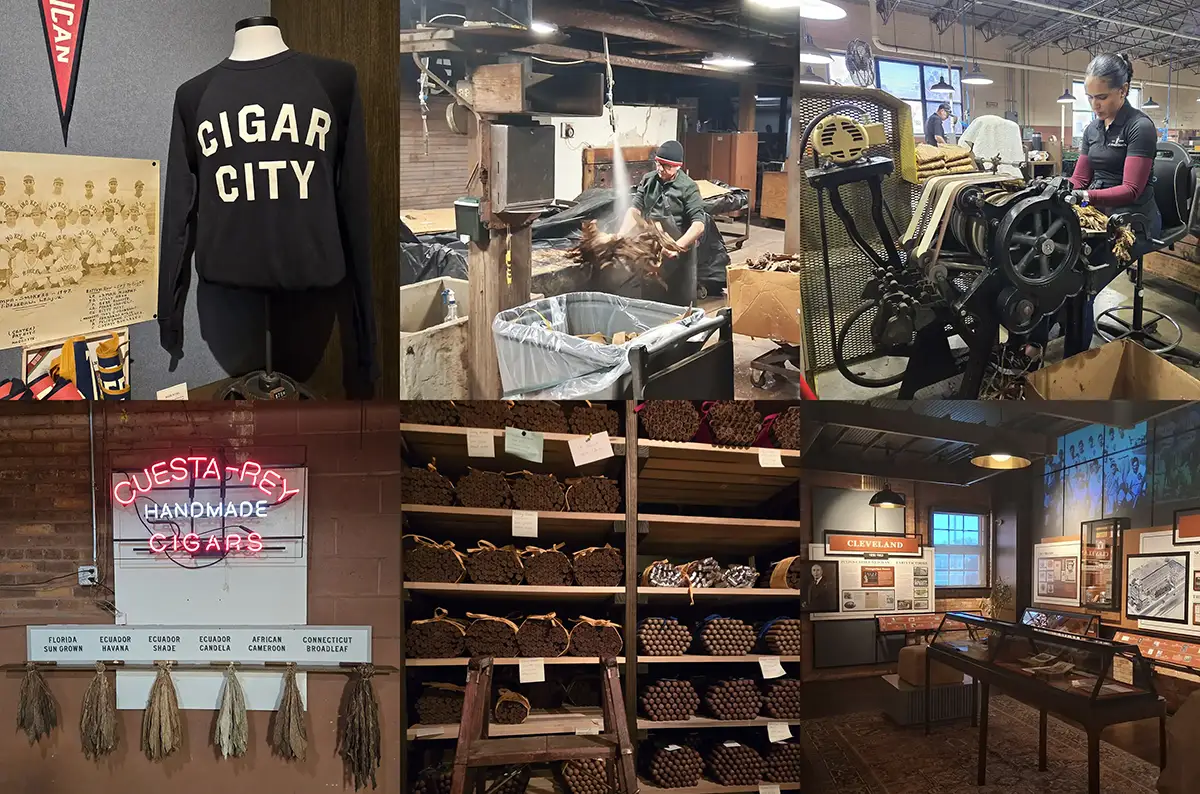
ABOVE: A tour of the J.C. Newman Cigar Company is a Ybor City must. Dating back to 1910, the historic factory lets visitors see every step of the process, from machine-made to hand-rolled cigars.
The tour wraps up beside the main-floor gift shop, where guests can purchase cigars made just metres away. Across the street, a newly created parkette—purpose-built for J.C. Newman visitors—offers a rare chance to enjoy those purchases while soaking in a living piece of American history.
Ybor City endures because it offers something increasingly rare in modern travel: authenticity. It is a neighbourhood where the past is not packaged or staged but woven into the fabric of daily life. Ybor City invites visitors to slow down, savour its flavours, and appreciate the craftsmanship and culture that continue to define it.
For travellers seeking a destination that blends history, cuisine, and character, Ybor City is a must-visit. As one of Tampa’s most compelling neighbourhoods, it’s a place where every street, every building, every meal and every aroma tells a story that is still unfolding.